
Hidden Therapies 80×70 2020
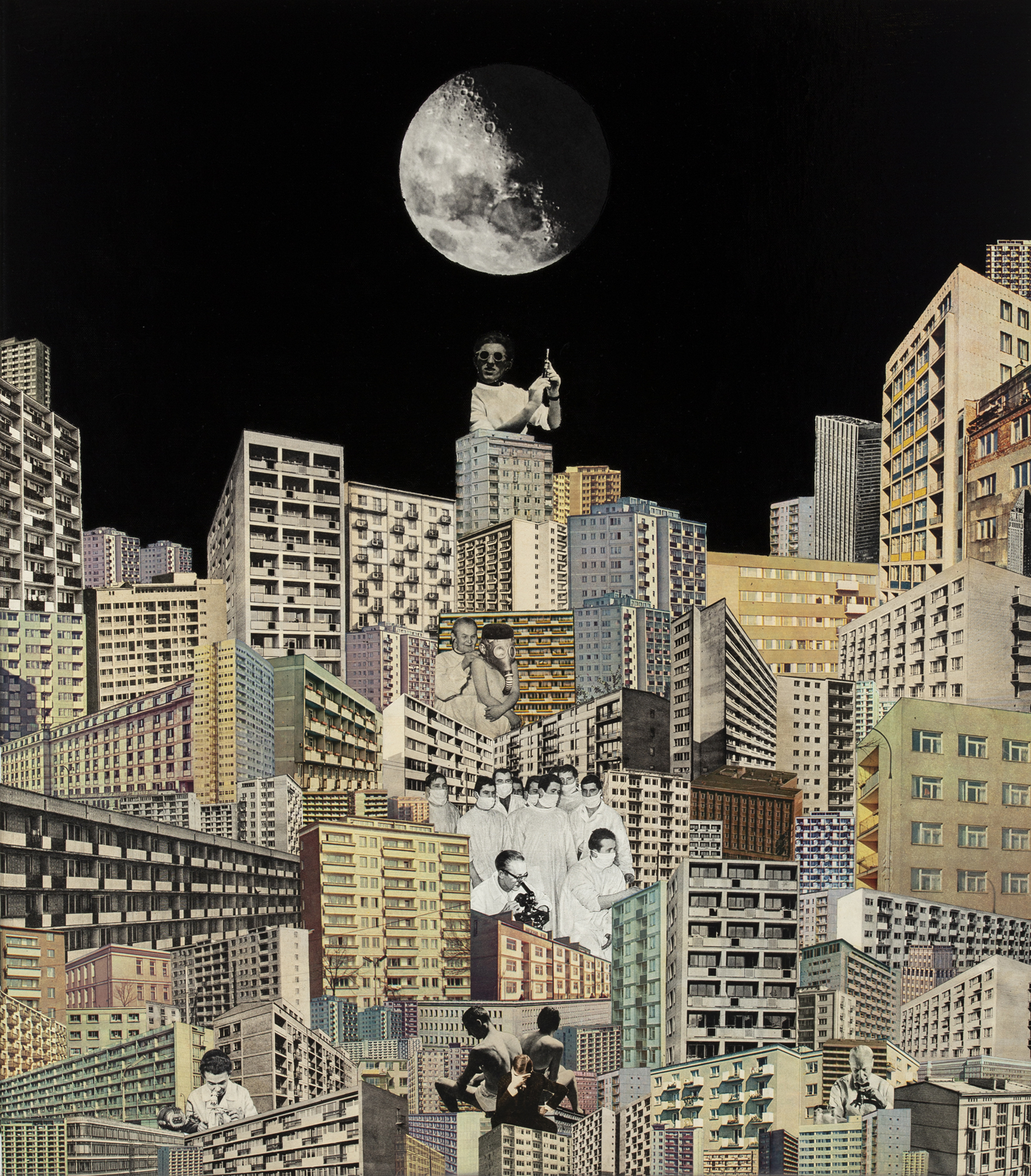
butterfly life cycle 90x80cm 2022
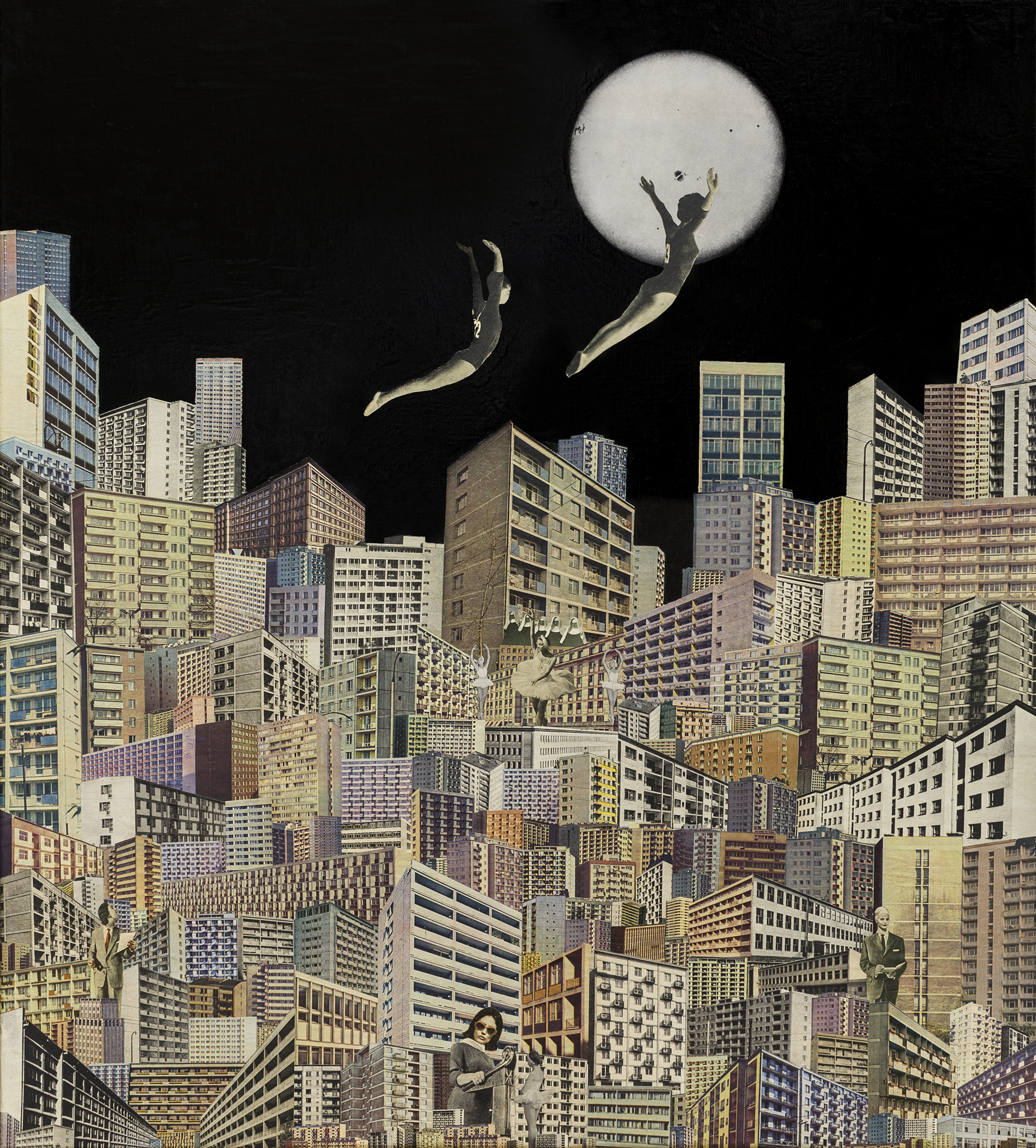
Plague 70x60cm 2020
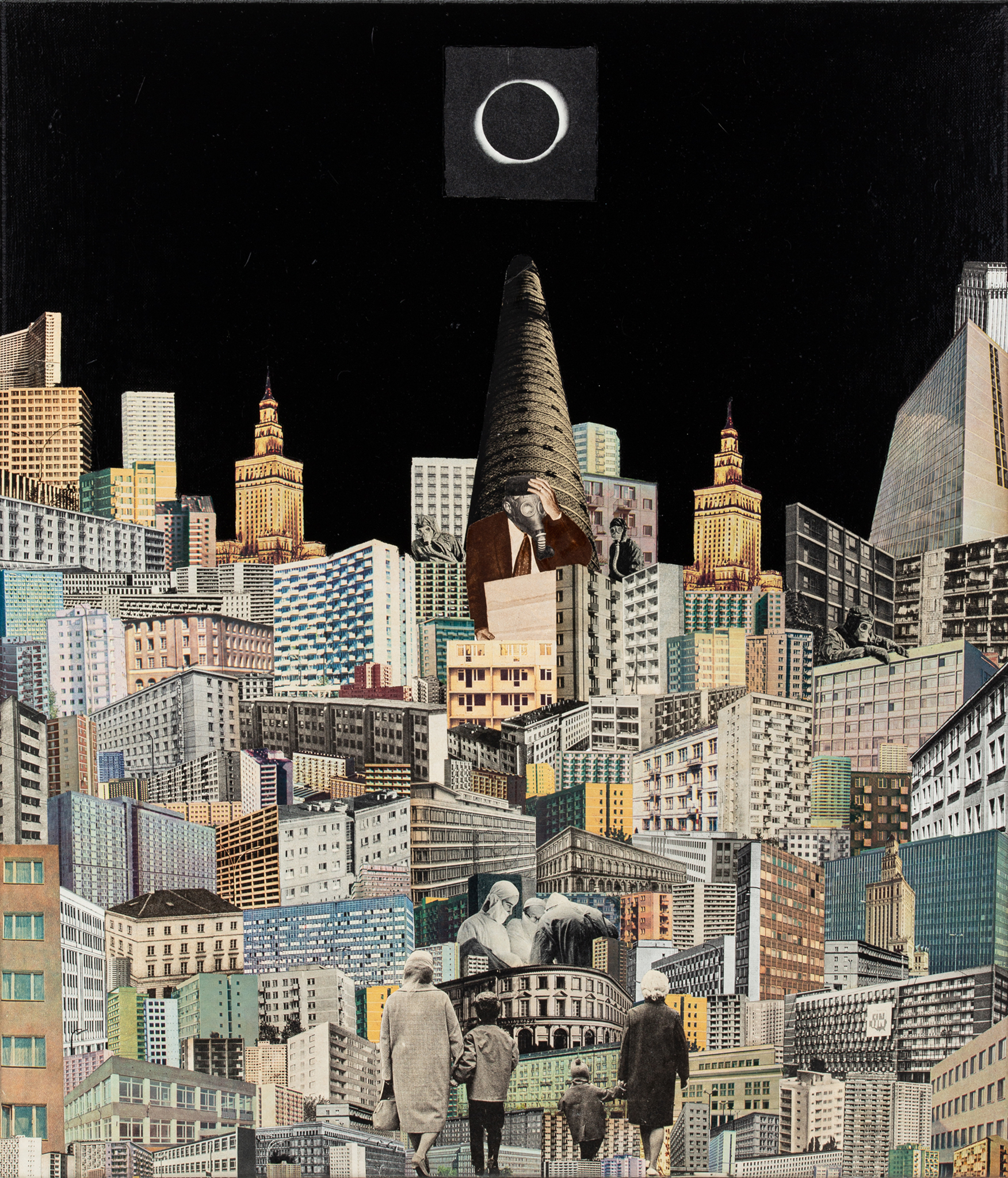
Plague III 60x50cm 2020
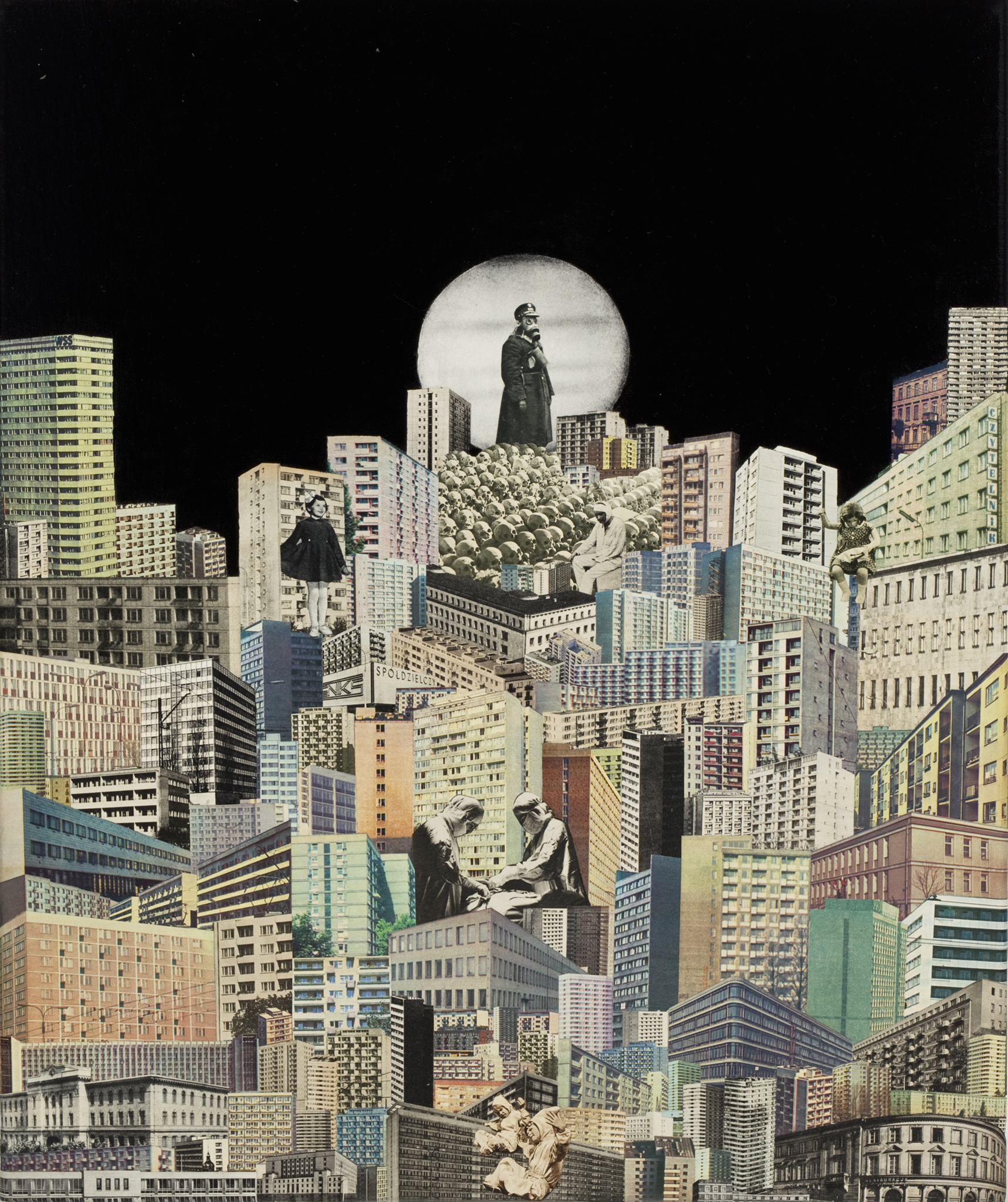
Ruins reserve II 100x80cm2022
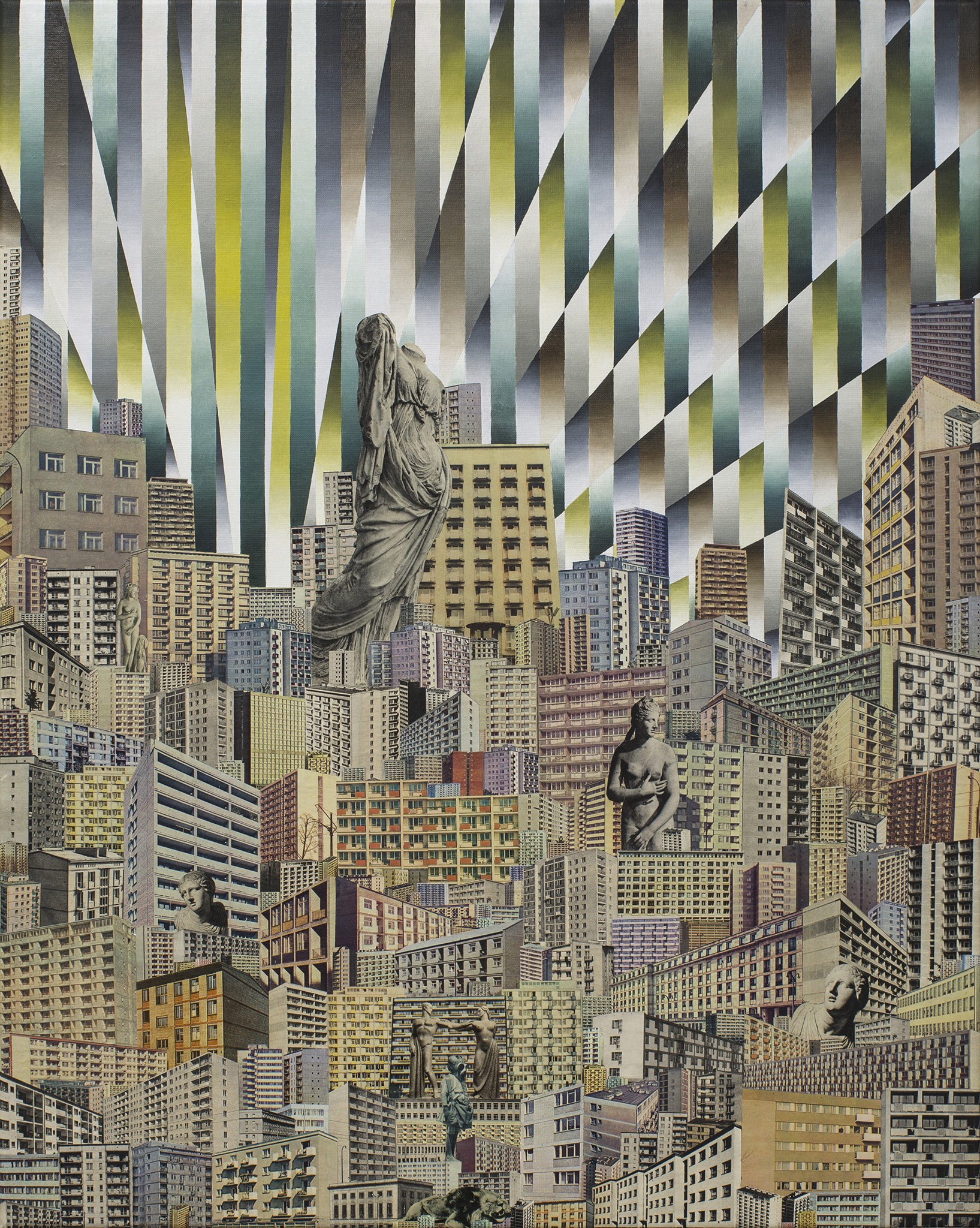
The night is ours 120x90cm 2018
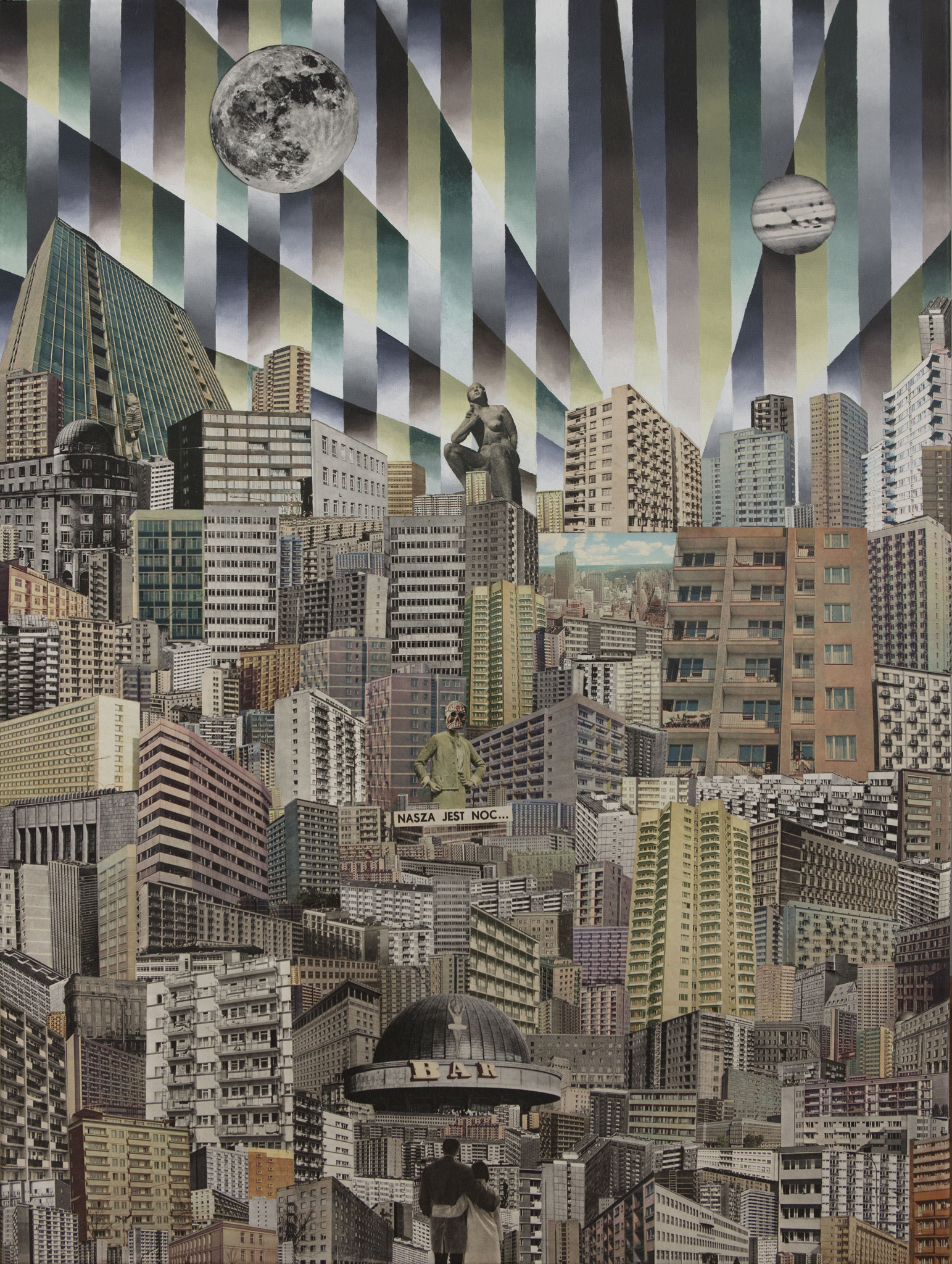
Bad Habits 120x90cm 2018
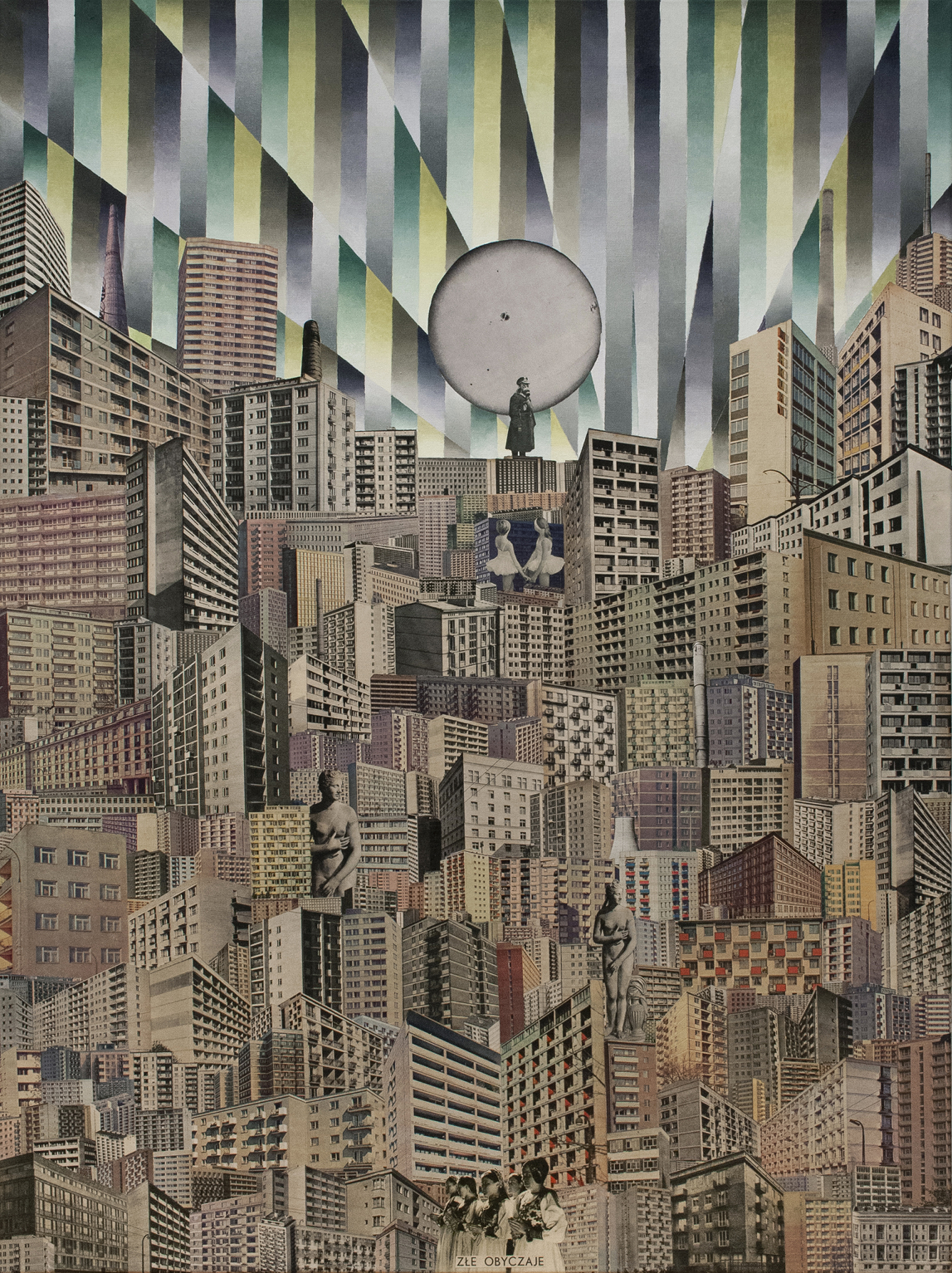
The fall of the gods 120x90cm 2018
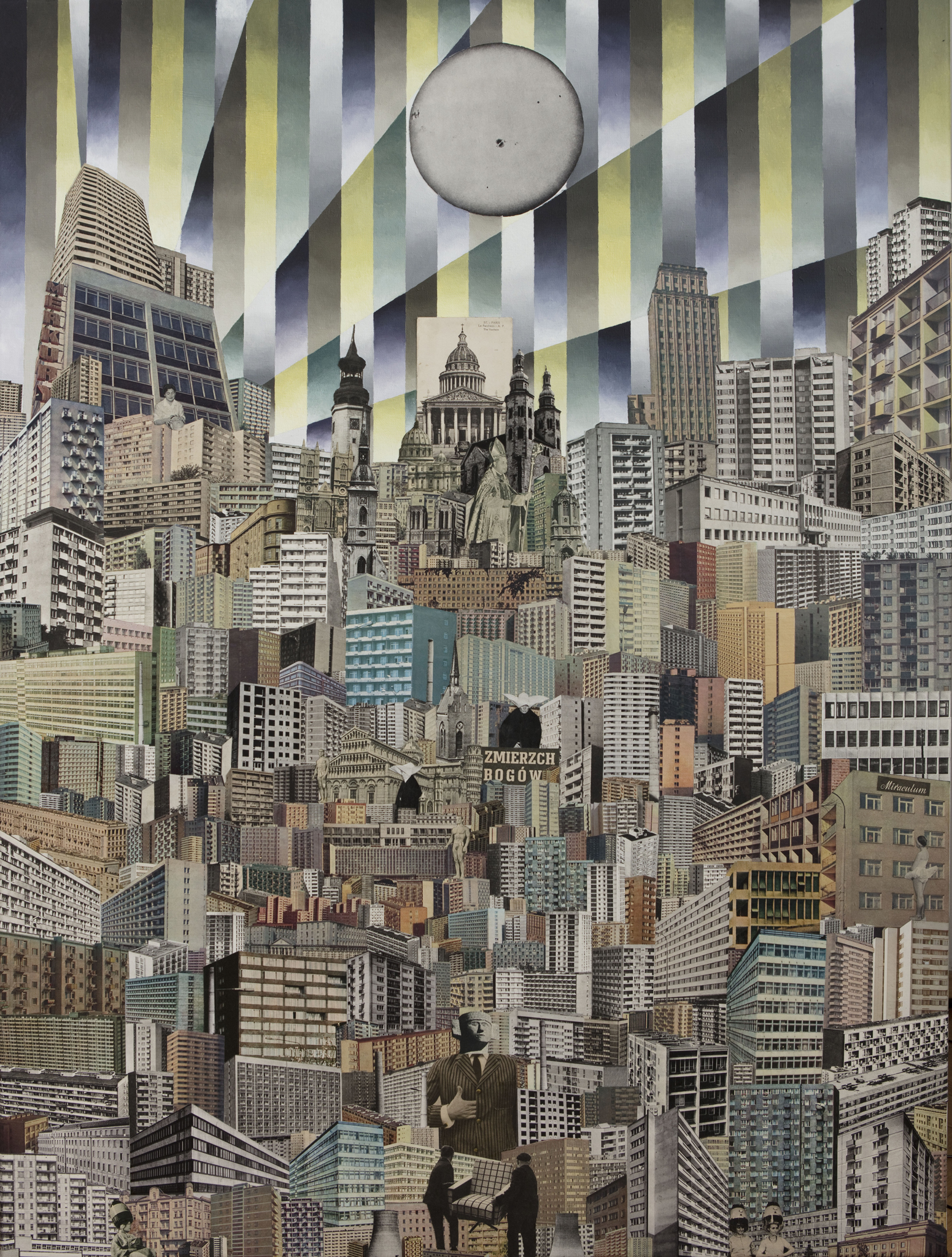
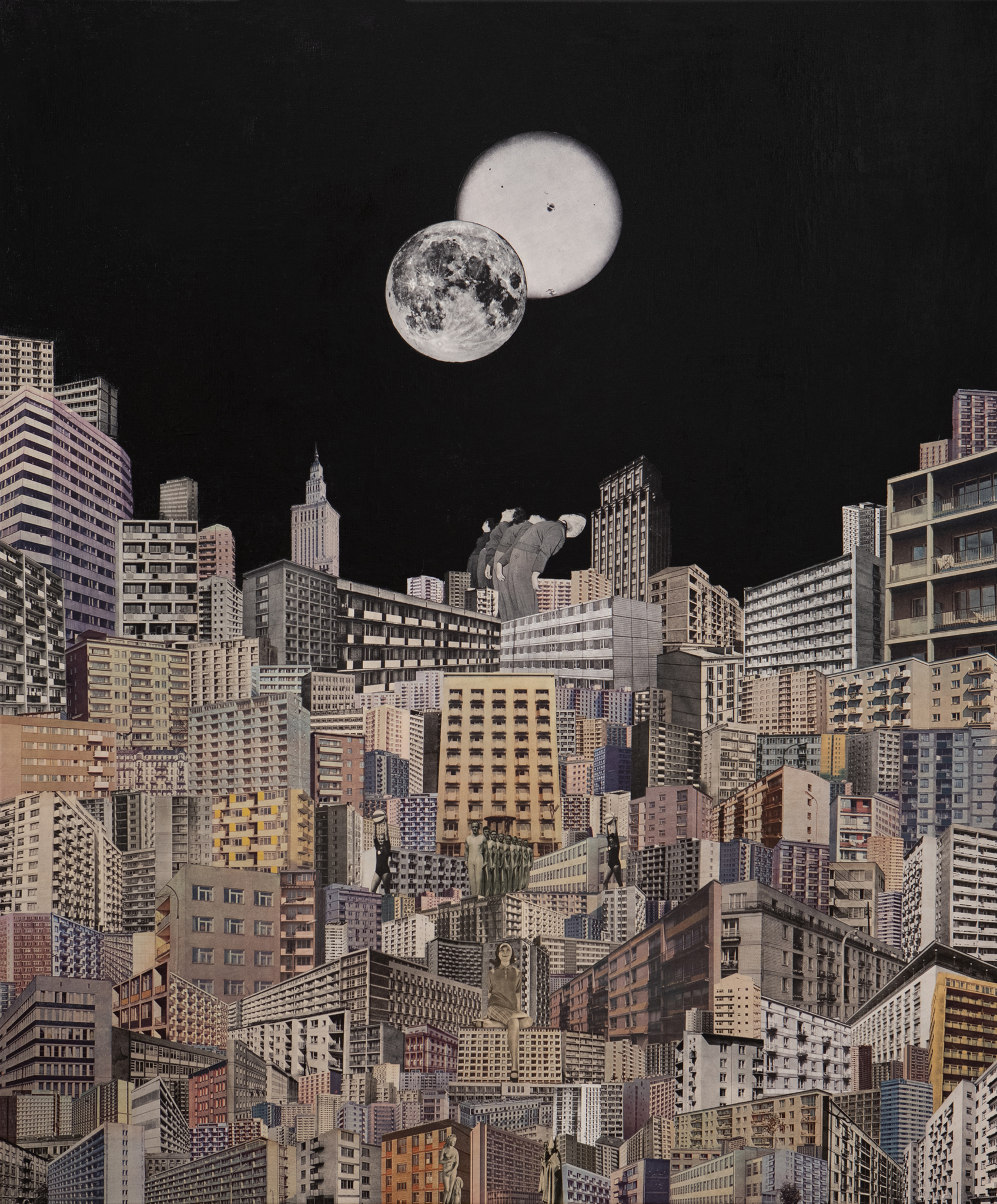
Eclipse 120x100cm 2019
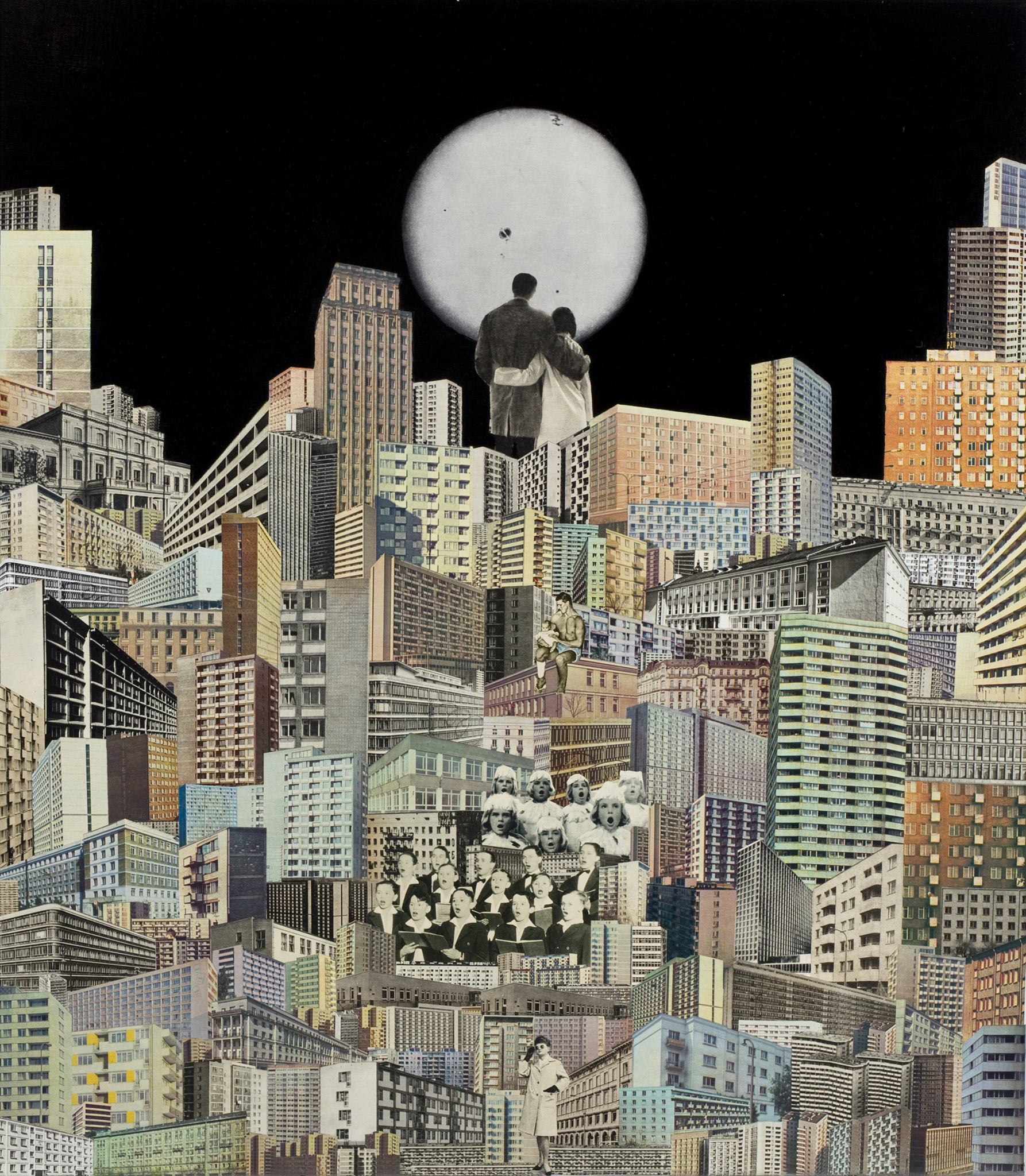
These beautifull days will back again 80x70cm 2020
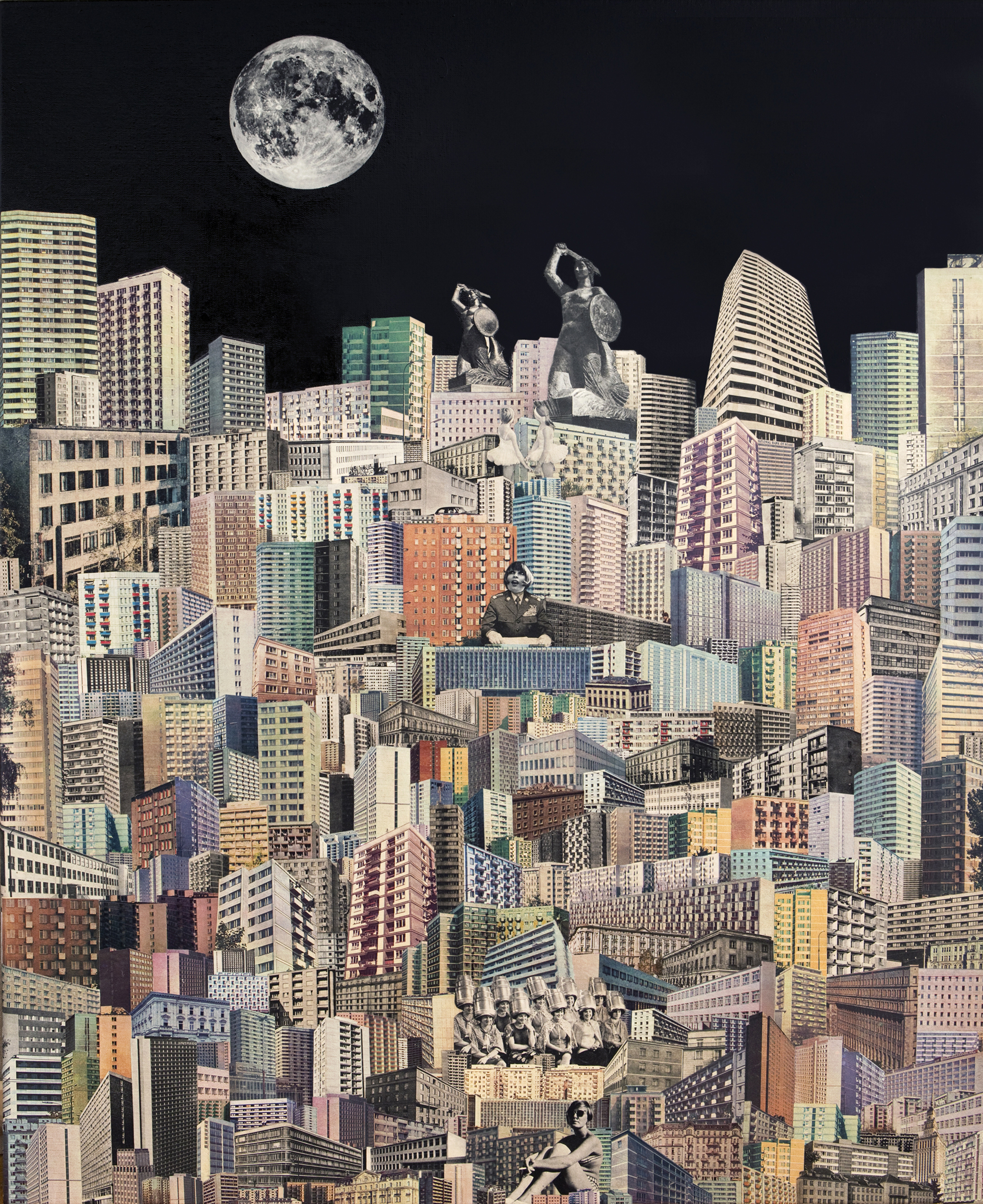
Mermaids 110x90cm 2019
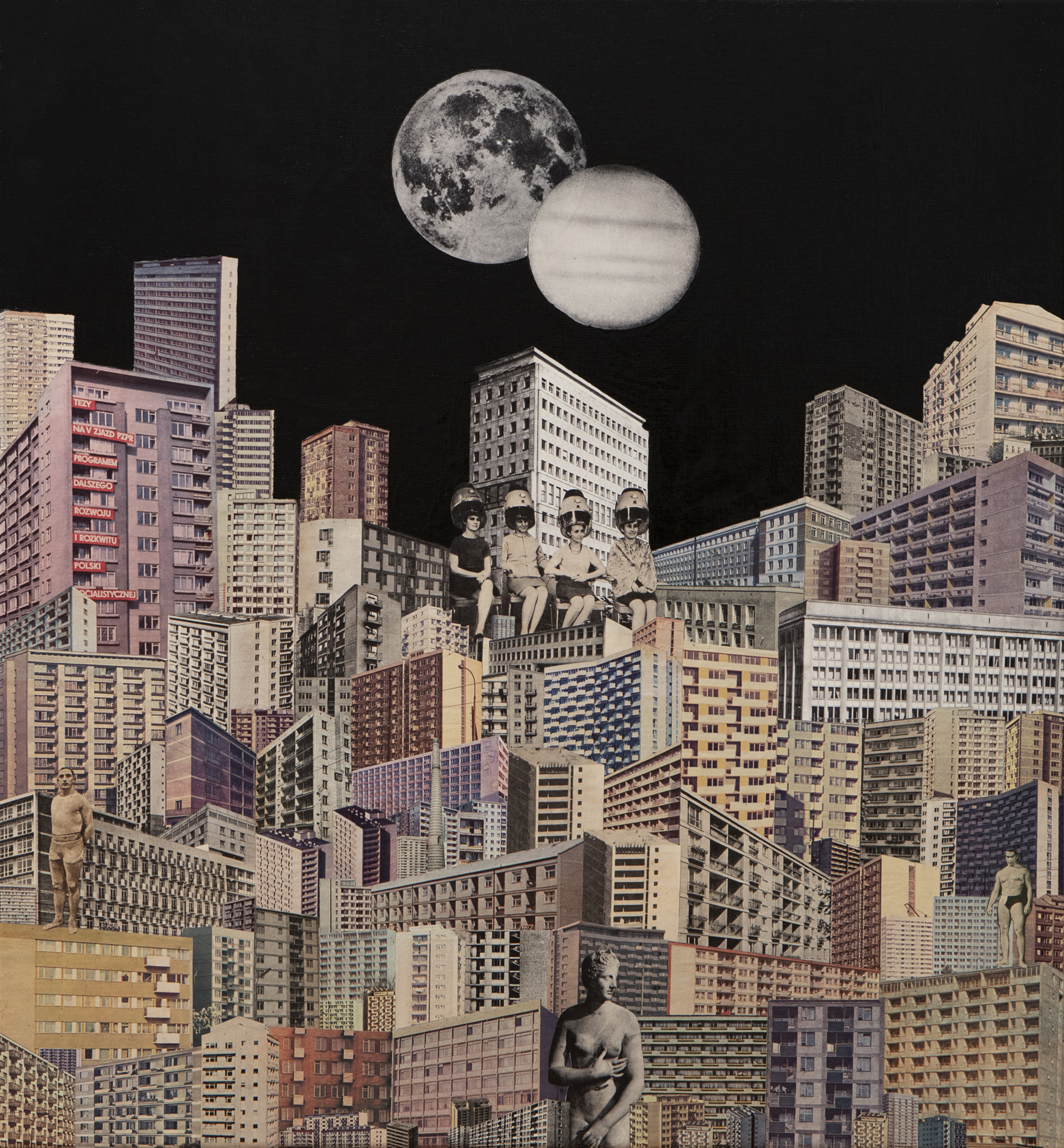
Metamorphoses II 70x65cm 2019
Utopia II 65x60cm 2019
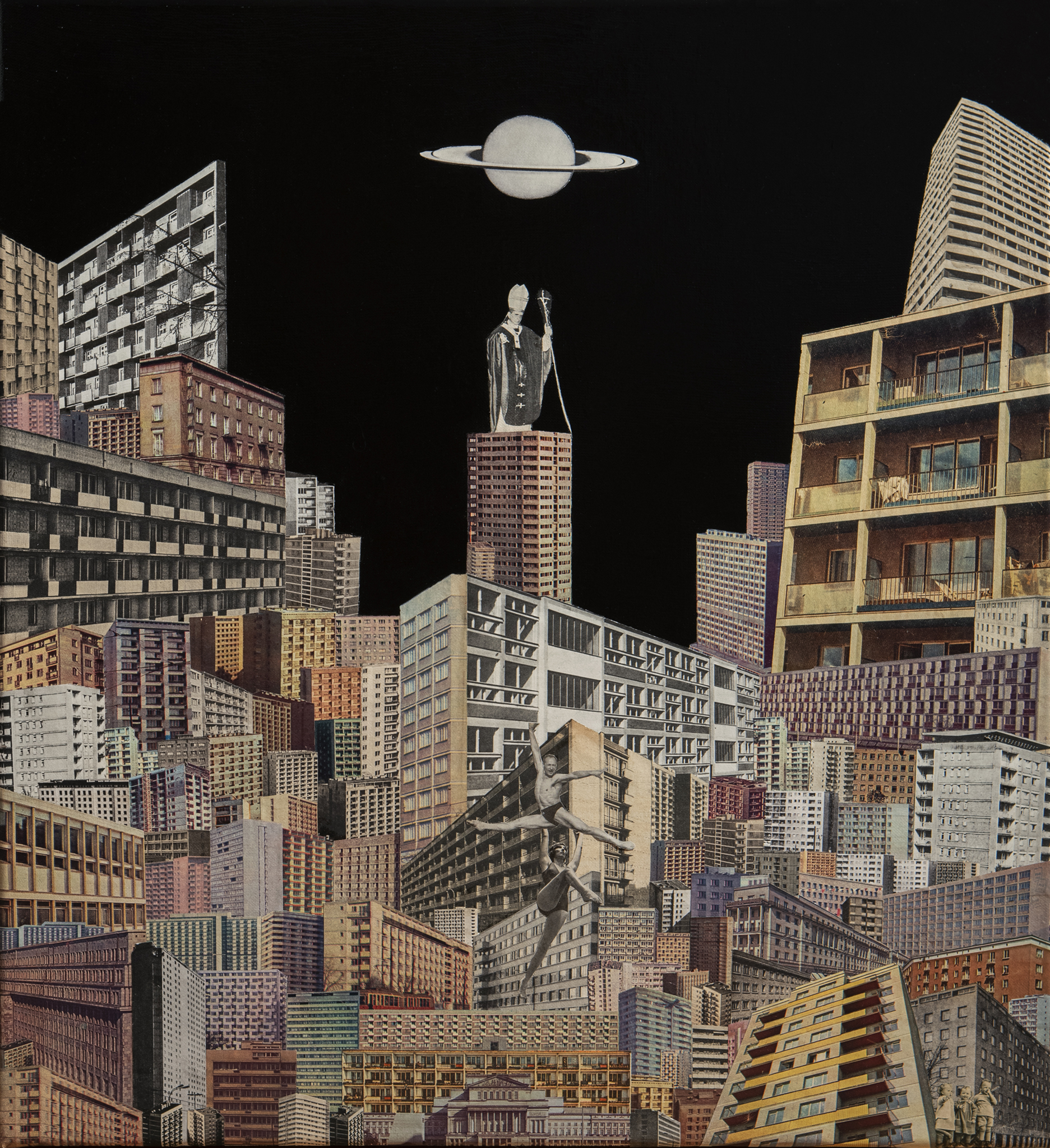
Utopia I 65x60cm 2019
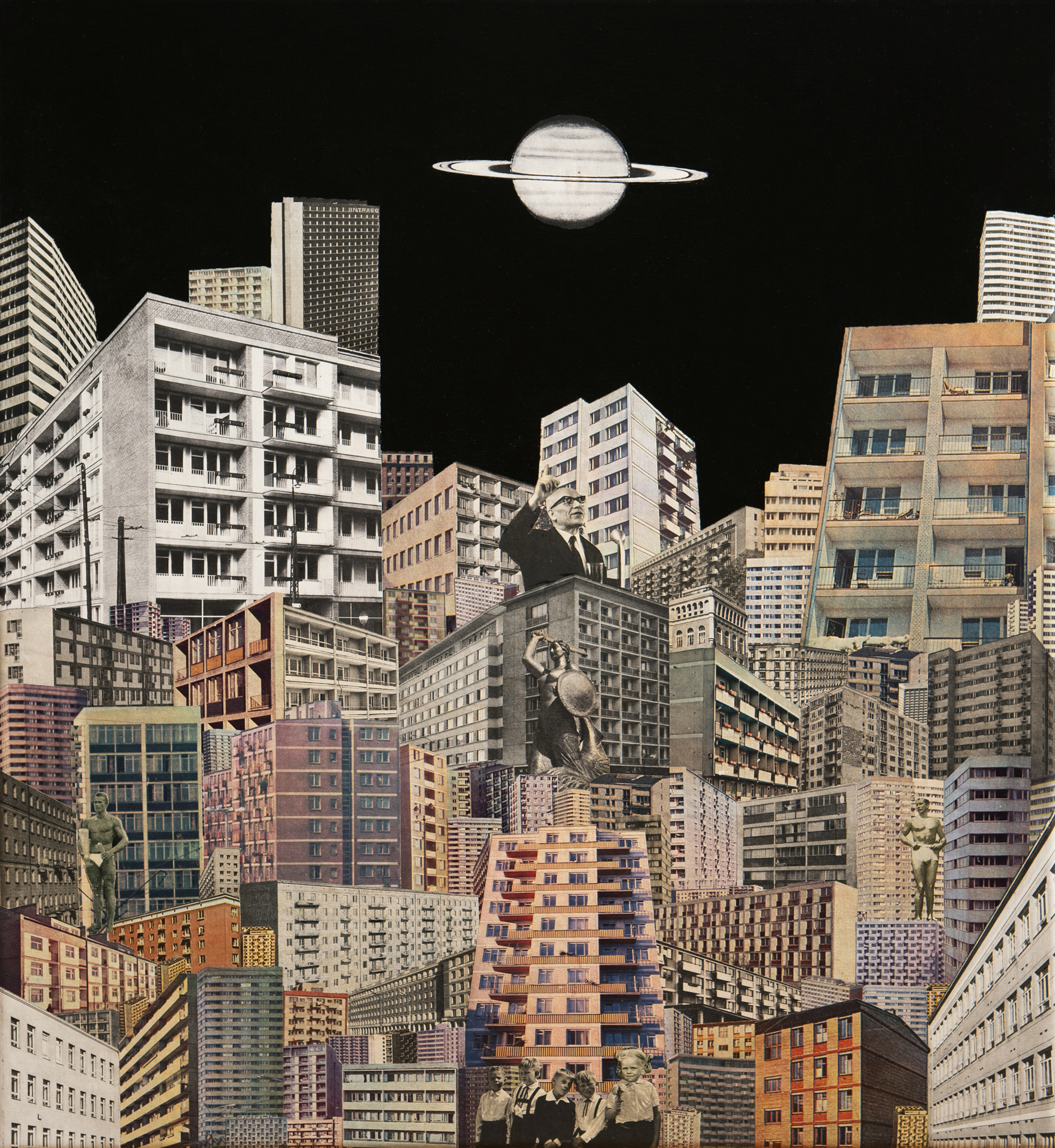
wavecharmers 80x70cm 2023
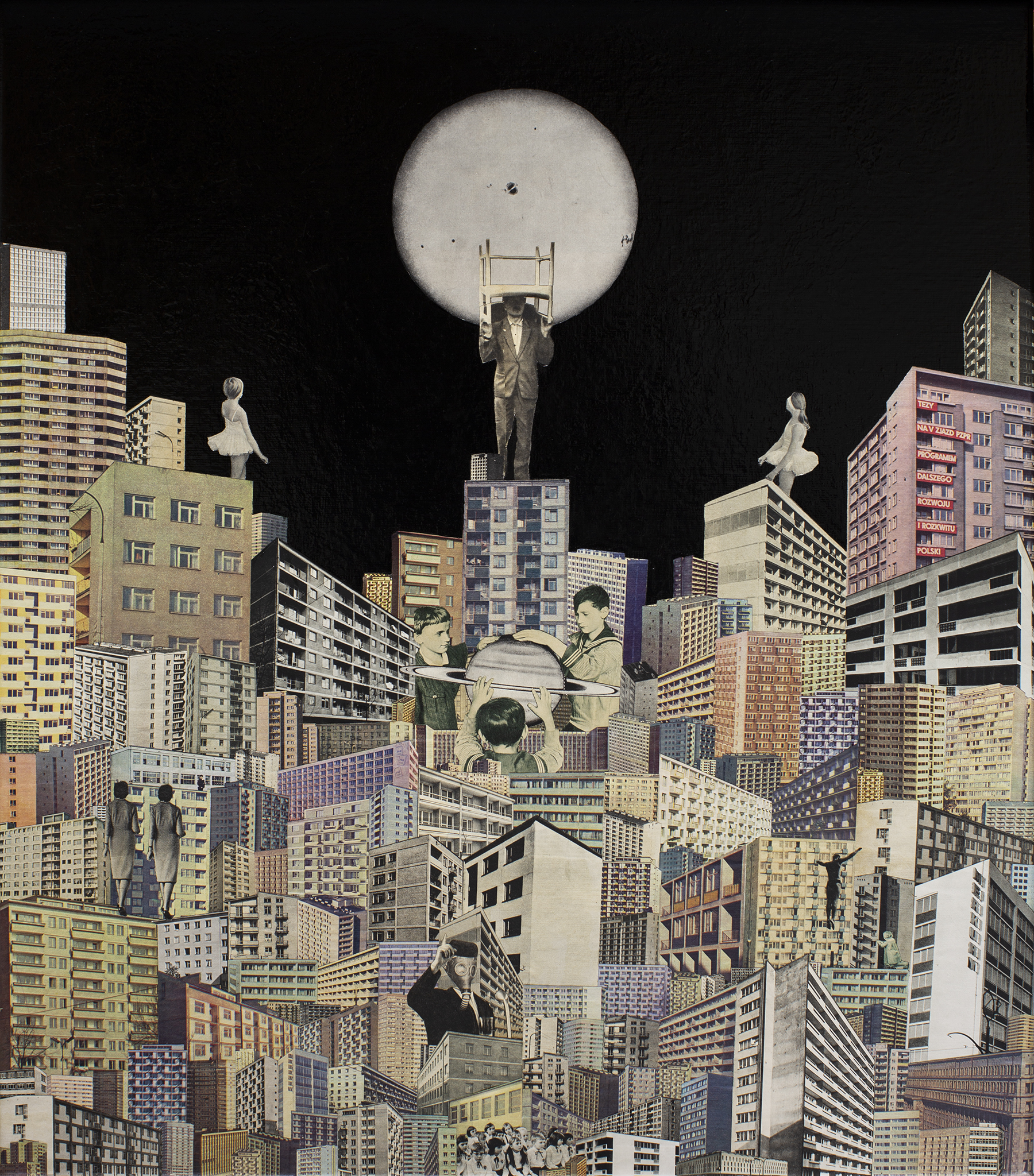
Haircut 80x70cm 2022
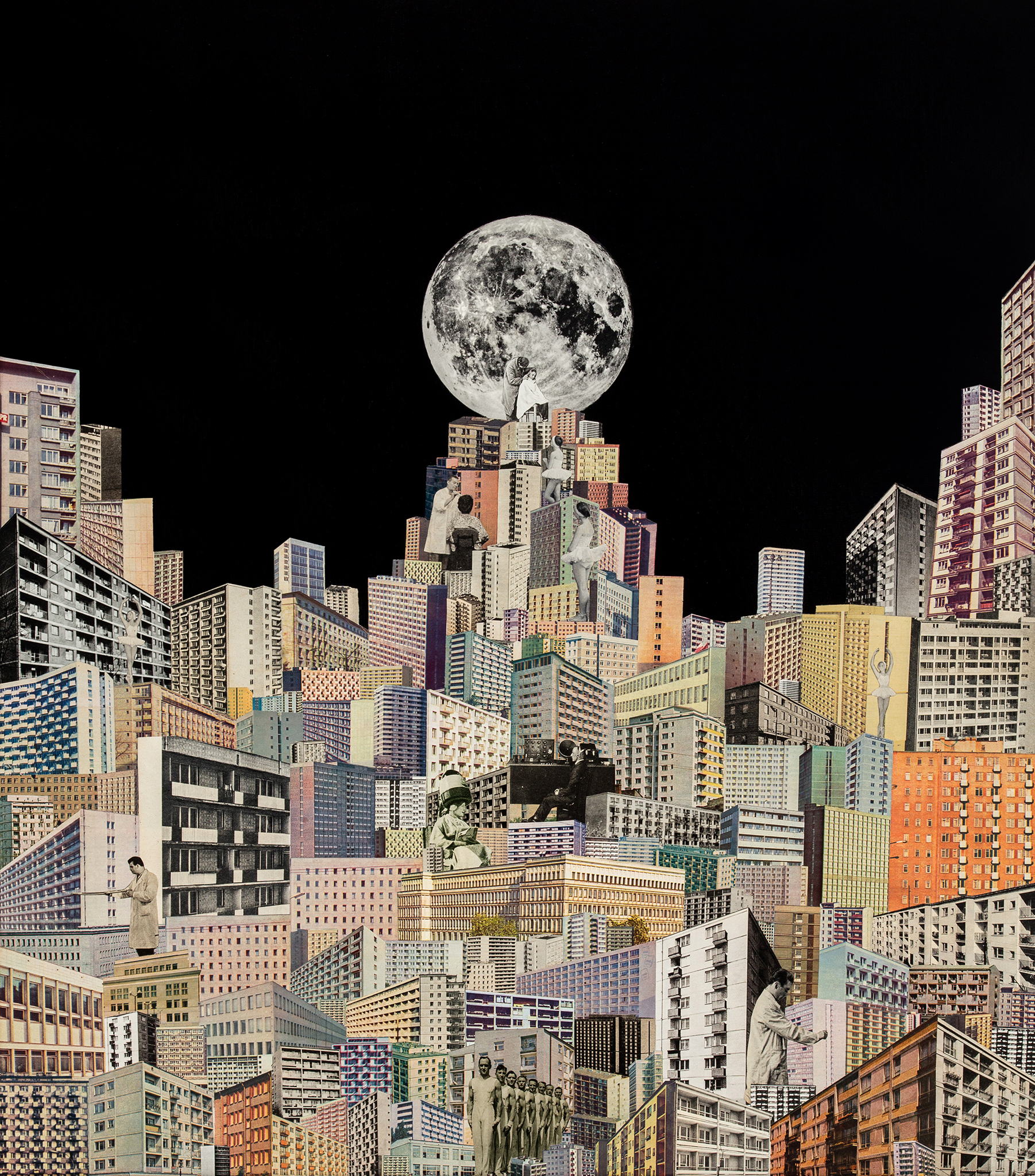
UTOPIA. The Utopia series by Mateusz Szczypiński constitutes an extensive reflection on the city as a metaphor for the contemporary world and for a society operating under the slogans of modernity, progress, and rational organization. The artist presents a vision of reality in which the proclaimed ideals of development and stability become distorted, revealing their fragility and impermanence. The city is depicted as a deformed, dystopian structure, reflecting the condition of a society condemned to endlessly repeat the same patterns and mistakes.
The point of departure for the series is the confrontation of lofty modernist projects with their actual functioning. In Szczypiński’s works, utopian visions of order, security, and prosperity prove to be a façade concealing archaic modes of thinking: tribal mentalities, superstitions, and ritualized behaviors. Modernity loses its emancipatory potential here and becomes merely a decorative surface that masks primordial structures of power and control.
In the Utopia series, the city functions as a quasi-organic entity—a gigantic “hive” that absorbs its inhabitants and exerts control over them. People are portrayed as anonymous figures wearing symbolic, tribal masks, deprived of individual agency. Society appears as a collective of marionettes mechanically and unreflectively performing imposed roles. Everyday activities, stripped of genuine purpose, take the form of repetitive rituals to which artificial, secondary meanings are assigned.
A significant aspect of the series is the use of collage techniques based on materials sourced from old publications from the 1960s and 1970s. The images employed—on the one hand aesthetically distant from the present, and on the other still recognizable—serve to emphasize historical and ideological continuity. In this way, Szczypiński points to the recurring nature of utopian narratives and to the fact that contemporary social and urban projects often replicate earlier modes of thought, operating within a “vicious circle of history.”Utopia is not an attempt to propose an alternative vision of the future, but rather a critical portrayal of a world in which destabilization, uncertainty, and the loss of a sense of security expose the illusory nature of modern promises. The series can be read as a commentary on the current social and political situation, in which the belief in the permanence of achieved privileges and established order proves to be deceptive, and utopia increasingly transforms into dystopia.